When someone says "Top Drop," they’re not talking about a rollercoaster or a fashion trend. In real-world usage - especially in urban nightlife, entertainment districts, and late-night culture - "Top Drop" refers to the final, most memorable moment of an evening out. It’s the last drink, the last laugh, the last ride home, or the last person you remember seeing before the world goes quiet. It’s not always glamorous. Sometimes it’s just a taxi driver saying "You good?" as the door shuts. Other times, it’s a stranger on a bench handing you a bottle of water because you looked like you needed it. That’s the Top Drop.
People in London, especially in areas like Soho or Shoreditch, often describe their nights by their Top Drop. You’ll hear it in casual conversation: "I had a wild one last night - ended up at a karaoke bar with some euro girls escort london, then walked home through the rain." It’s not about the glamour. It’s about the raw, unfiltered end of something that felt alive. If you’ve ever woken up confused, smiling, and wondering how you got there, you’ve experienced a Top Drop.
There’s a reason this phrase sticks. It’s not poetic. It’s not marketing. It’s real. And it’s growing in use among people who live in fast-paced cities where the line between connection and transaction blurs. In places like Berlin, Amsterdam, or even parts of Manchester, you’ll hear variations of "Top Drop" used by bartenders, Uber drivers, and night-shift workers. It’s become shorthand for the last emotional or physical peak before the crash.
Why "Top Drop" Matters More Than You Think
Most people think of nightlife as about dancing, drinking, or hooking up. But the real heartbeat of a city’s night culture isn’t the music or the lights - it’s the quiet moments after. The Top Drop. That’s when you see who people really are. When the filters come off. When someone says something they’d never say in daylight. When a stranger becomes a memory.
Psychologists studying urban social behavior have found that people who can identify their Top Drop from a night out report higher levels of emotional satisfaction - even if the night was chaotic. Why? Because the Top Drop is where meaning sticks. It’s the anchor point your brain returns to when reconstructing the experience. Without it, the night feels hollow. Like a movie with no ending.
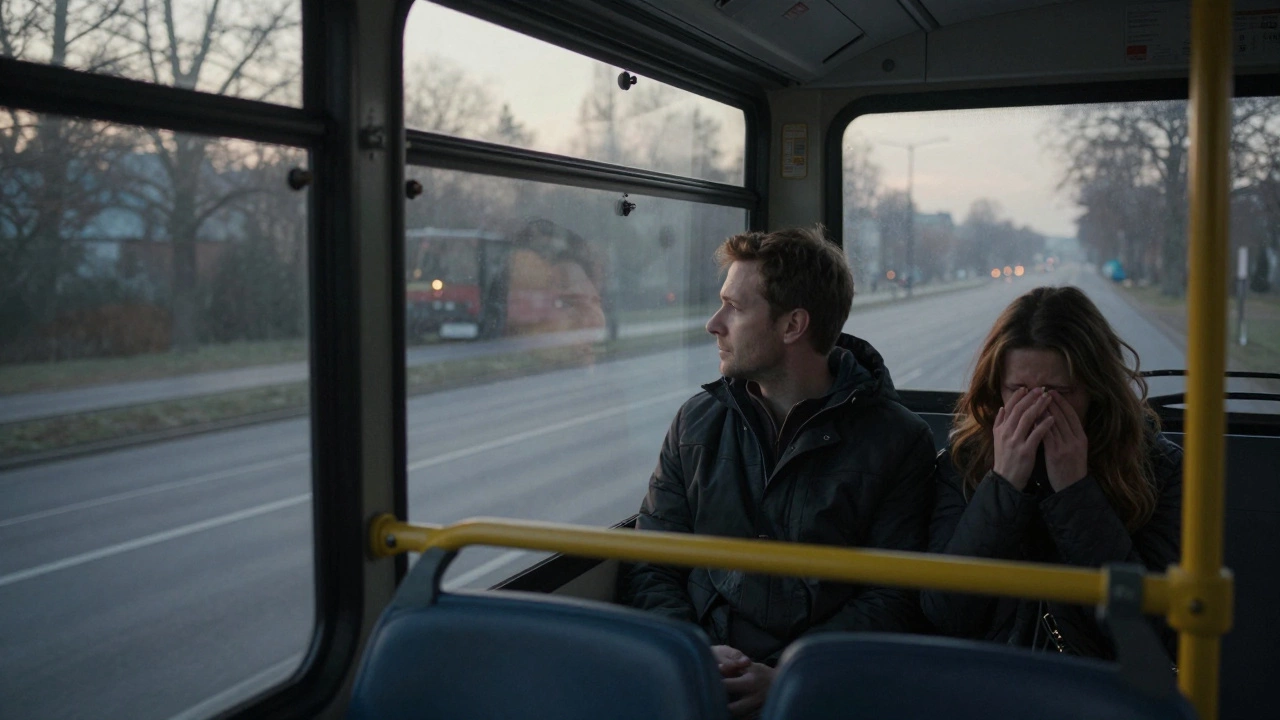
That’s why you see so many stories online about people chasing the perfect Top Drop. Not the perfect date. Not the perfect party. The perfect ending. And sometimes, that ending isn’t what you planned. Maybe it was a conversation with a barista who noticed you were crying. Or a bus ride where you talked to someone about their dead dog. Or a moment where you realized you hadn’t felt this seen in years.
Where the Top Drop Happens - And Where It Doesn’t
Not every night has a Top Drop. Some nights just end. You go home. You scroll. You sleep. No memory. No feeling. Just silence. Those nights don’t count. The Top Drop needs weight. It needs a human connection - even if it’s brief. Even if it’s awkward. Even if it’s paid.
That’s where things get complicated. In some corners of London, people pay for companionship to create a Top Drop. Not because they’re lonely - though many are - but because they’ve learned that real connection is rare. That’s why you’ll find forums and blogs where people trade stories about euro girl escort london, not for sex, but for the feeling of being understood. For the way someone remembers your name. For the silence that doesn’t feel empty.
It’s not about exploitation. It’s about reciprocity. The person being paid isn’t just a service provider. They’re often the one holding space. Listening. Offering warmth. And sometimes, that’s the most valuable thing you can buy.

The Dark Side of the Top Drop
There’s a shadow side to chasing the Top Drop. Some people get addicted to the feeling. They keep going out, keep spending, keep searching for that one moment that made them feel alive. They lose track of days. They stop calling friends. They start believing the paid moments are the only ones that matter.
Therapists in London have started seeing a new pattern: clients who describe their emotional highs as "Top Drops" and their everyday life as "the in-between." They don’t see themselves as broken. They see themselves as honest. They just want to feel something real. And if they have to pay for it, so be it.
But here’s the thing: real connection doesn’t require payment. It requires presence. It requires showing up - even when you’re tired. Even when you’re scared. Even when you don’t know what to say.
How to Create Your Own Top Drop - Without Paying
You don’t need to hire someone to have a Top Drop. You just need to stop running.
Try this: Next time you’re out, don’t look at your phone. Don’t check the time. Don’t plan the next stop. Stay in the moment. Talk to the person next to you. Ask them how their day went. Really listen. Don’t wait for your turn to speak. Just listen.
That’s how Top Drops happen. Not in clubs. Not in hotels. Not in paid encounters. But in the spaces between. In the pauses. In the unscripted.
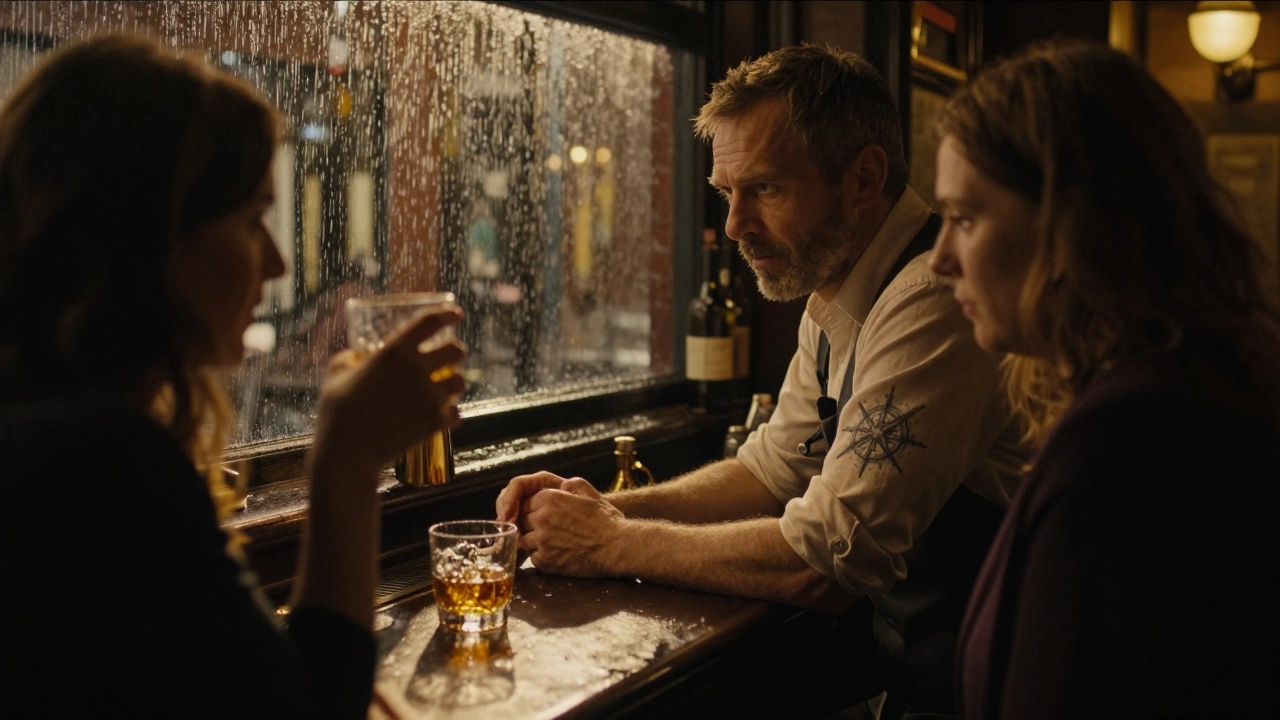
Here’s a real example: A woman in Camden, 32, went to a pub alone after a breakup. She ordered a whiskey. The bartender, a guy in his 50s with a faded tattoo of a compass, asked her, "You okay?" She said no. He didn’t offer advice. He just sat down. Talked about his dog. His ex-wife. How he used to play guitar. They didn’t touch. Didn’t kiss. Didn’t exchange numbers. But when she left, she didn’t feel alone. That was her Top Drop.
Why This Phrase Is Spreading - And Why It’s Here to Stay
"Top Drop" isn’t a trend. It’s a symptom. A symptom of a world where connection is commodified, attention is scarce, and loneliness is epidemic. People are searching for meaning in the margins. In the last sip. In the final glance. In the quiet after the noise.
It’s not about sex. It’s not about money. It’s about being seen. And in a world that tells you to be louder, faster, better - sometimes the bravest thing you can do is sit still and say, "I’m here. Are you?"
That’s the Top Drop. And it’s not something you find. It’s something you create. With your presence. With your honesty. With your willingness to be real - even when it’s messy.
So next time you’re out, don’t chase the high. Chase the ending. The quiet one. The one that lingers. The one that reminds you - you’re not alone.
And if you ever find yourself in a place where the only way to feel seen is to pay for it - know this: you’re not broken. You’re just tired. And there’s still a way back. It’s not in a service. It’s in a silence. In a breath. In a moment where someone says, "I hear you."
What does "Top Drop" mean in nightlife culture?
"Top Drop" refers to the final, emotionally significant moment of an evening out - not necessarily the loudest or most exciting part, but the one that lingers. It’s the last human connection, the quiet conversation, the unexpected kindness, or the moment you feel truly seen before the night ends.
Is "Top Drop" only about paid companionship?
No. While some people use paid encounters to create a sense of connection, the true Top Drop happens in unscripted, authentic moments - like a stranger offering water, a bartender listening without judgment, or a late-night bus ride where you talk about your dog. It’s about presence, not payment.
Why do people talk about Top Drop in cities like London?
In fast-paced cities like London, people often feel disconnected despite being surrounded by others. The Top Drop becomes a way to mark a night that felt meaningful. It’s a cultural shorthand for the rare moments when loneliness lifts - even briefly.
Can you have a Top Drop without leaving your house?
Yes. The Top Drop isn’t about location - it’s about emotional resonance. A video call with an old friend that ends in tears and laughter. A text that says, "I’m here if you need me." A moment of silence with someone who just gets it. Those count too.
Is "Top Drop" a new term?
It’s not new in concept - people have always sought meaning at the end of the night. But the phrase "Top Drop" has gained traction in the last five years, especially in urban youth culture and nightlife circles in Europe and North America, as a way to name a feeling that was previously unnamed.
If you’re feeling disconnected, don’t wait for a paid encounter to feel seen. Start small. Look someone in the eye. Ask how they are. And really listen. That’s where the real Top Drops begin.